
September, 2013.
Berlin Schönefeld is the secondary international airport of Berlin and is located southeast of Berlin near Schönefeld town. This airport is the smaller out of the two and is used by airlines such as easyJet and Ryanair.
Travelling from the airport into Berlin city centre is easy. Exiting out of the airport (signs everywhere) you will see to your left a long, sheltered walkway which leads you to the trains. Before leaving the airport, right by the exit is an information desk, where we received our tickets – the lady who was multi-lingual was so helpful.
TIP: We left to go to Berlin from Manchester Airport – as they tend to have early morning flights. On our way back, we arrived back into Liverpool John Lennon Airport – as they have the evening flights. By doing this we actually saved money, but it worked out that we gained an extra day on holiday.
S-Bahn and U-Bahn
The best way to transport yourself around Berlin is via rail, whether it’s the S-Bahn train or U-Bahn underground – and it’s spot on! (Please note that of an evening they don’t have many staff members hanging around for any help).
The overground and underground trains are so handy. Berlin is divided into three tariff zones: AB (urban area to city boundaries), BC and ABC (surrounding area and Potsdam).
The S-Bahn covers 15 lines regionally across the network and runs above ground. You will spot the S-Bahn train stations by the green and white ‘S’ symbol.
The U-Bahn AKA underground or subway has ten lines including 173 stations. Although most lines run underground, some run on the above ground tracks. You can spot the U-Bahn by the yellow-coloured trains.
Take note, you MUST validate your ticket before getting onto the trains, otherwise you will be kicked off or have to pay a fine – which can be over 60 euros. You will see at each station there is either a yellow or red box (most of the time at the top of the stairs or at the entrance onto the platform) where you simply just put your ticket into a slot and it gets stamped/validated.
These trains are faultless – they arrive on time and leave on time. No messing about.
Our hotel was very Beetlejuice-esque the way it was designed. It was great and had a perfect location. When booking a hotel in Berlin, the key is that the Zoo is the main central point, so hotels in that area are perfect.
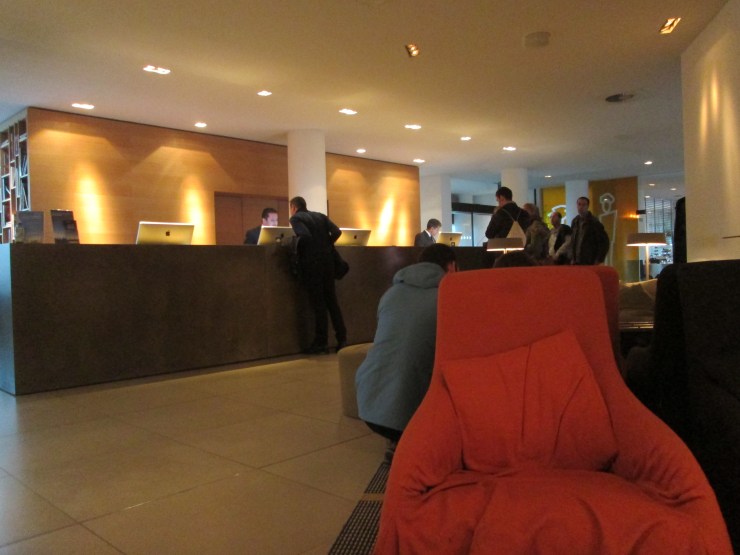
The Wyndham Excelsior is a four-star hotel in downtown Berlin. As mentioned above, it is located right at Berlin Zoo and central to many other attractions. Our room was modern and very clean. The hallways and lobby were vast and decorated in a modern fashion.
We had to pick up our passes at Hard Rock Cafe – this may have changed since we visited. You receive a card, which is the pass, and a guidebook with information covering everything that’s included on the pass (which has maps and directions).
The pass includes free entry to over 60 attractions, tours and museums, a free hop on hop off bus tour – although we didn’t really use it, due to the efficiency of the train lines – and an optional travelcard. Also, as of 2016, free entry into Madame Tussauds, Berlin Dungeons, AquaDom and Sea Life and LEGOLAND Discovery Centre were added, alongside other exclusive special offers.
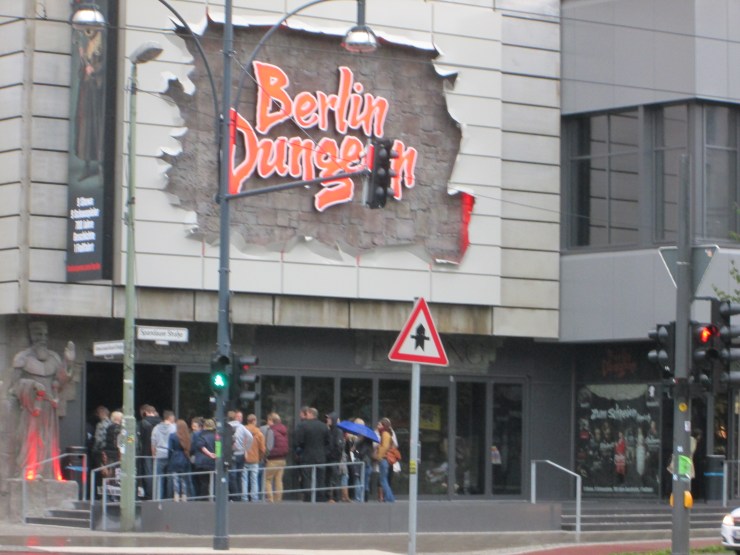
A 2 day adult Berlin pass is 93 euros, child pass 49 euros. 3 days adult pass is 115 euros and a child pass is 59 euros.
Amplemännchen
Put simply, ‘Amplemännchen’ is the little traffic light men. By that I mean, everywhere you go you will see little red and green men – even down to tourist shops with souvenirs.
The symbols are beloved in Eastern German, as they are one of few features of East German to have survived the end of the Iron Curtain (a boundary dividing Europe from the end of World War II and Cold War). After the fall of the Berlin Wall, they then went on to acquire a cult following and become a popular souvenir item.
Don’t think I need to say much about this. We went to Hard Rock Cafe on our first night in Berlin for tea, and then on our last day before we head towards the airport.
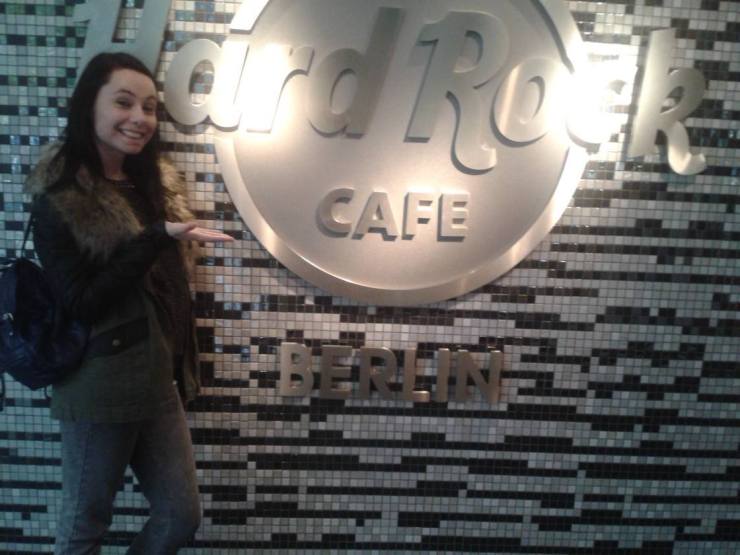
It felt like this Hard Rock Cafe was relatively new, as most HRCs have a wooden decor, but Berlin’s seemed a lot more modern and ‘pop-py’.
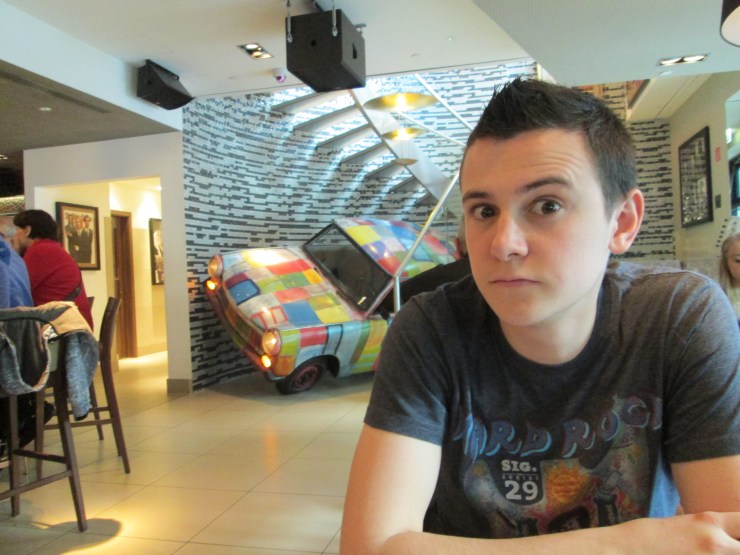
It is located near Joachimstaler Platz, which is not too far from the zoo. This worked out perfect for us as we weren’t too far from our hotel to pick our bags up, and it was also near the station to catch the train back.
We spent so many hours at Berlin Zoo – it was the first attraction we hit. It’s big and has a brilliant layout, so you end up seeing every animal there. For children from aged 4 to 15 it’s 10.00 euros on the door and 7.50 online and an adult is 20.00 euros on the door and 14.50 online.
They also offer family packages which are cost effective if there are a few of you visiting. Averagely the zoo is open 9 am until 5 pm – but does vary depending on school holidays and certain times of the year.
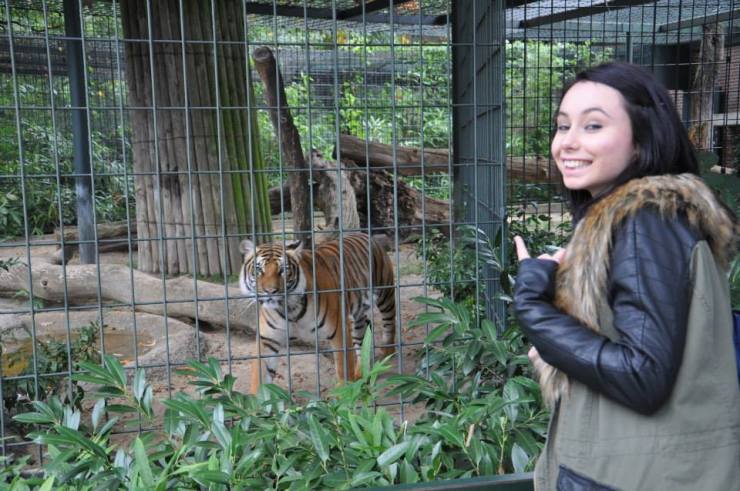
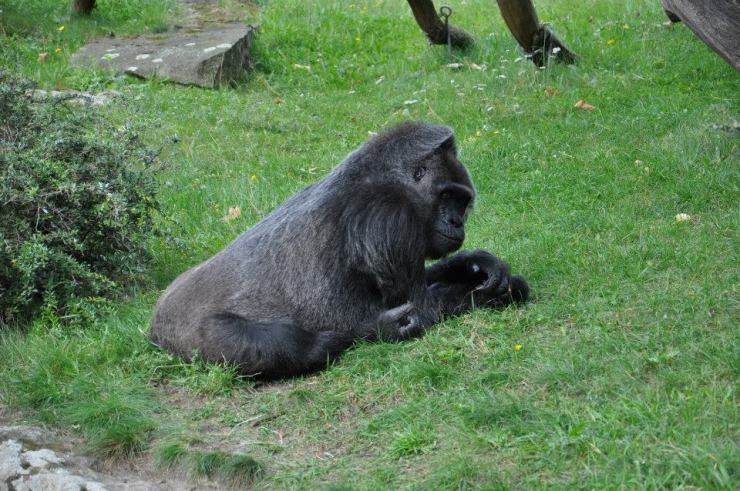
The zoo holds more than 18,000 animals, from Elephants to Zebras and Gorillas (my favourite) to Flamingos. The zoo is set out in such a way that you feel like you are almost in the captivity of the animals.
We had the most amazing but scary experience in our life in this zoo! We were outside looking at the tigers and then all of a sudden we heard a massive roar, sending shivers down our spines. Has a Lion escaped – we thought. We followed the roar, and turns out a Lion and Tiger were having a stand off – absolutely incredible thing to witness. We felt like we were in the wild.
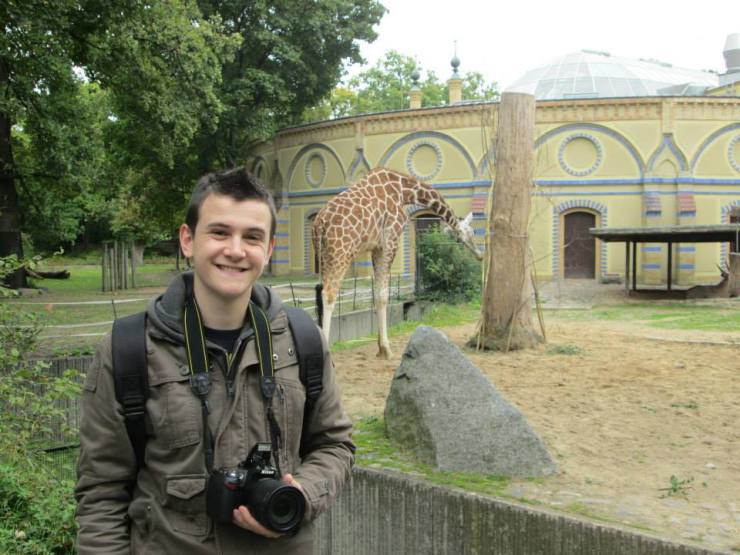
The zoo has loads of things going, the feeding of the animals being particularly entertaining. My favourite was the feeding of the Rhino. The zookeeper was casually feeding a watermelon to a humongous Rhino. Too cute!
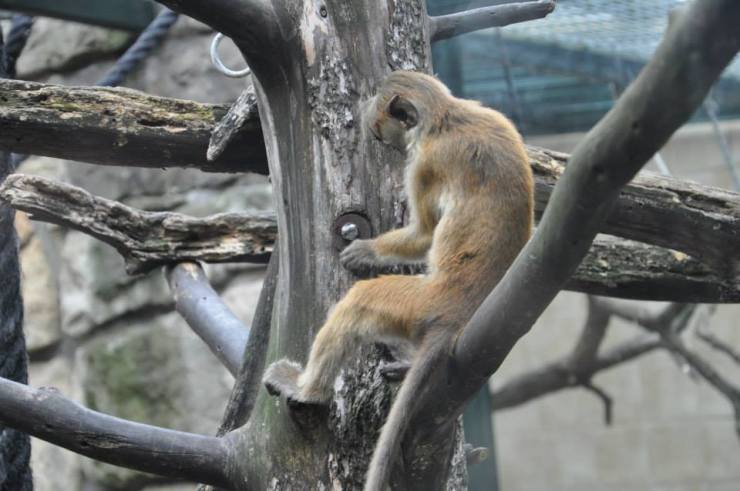
We spent about half of the time in the zoo watching the monkeys. They’re the most hilarious animals. They do live up to the whole ‘cheeky monkey’ stereotype, constantly performing acrobatics and even attempting to take the screws out of the zoo’s climbing frames.
The Aquarium is one of Germany’s largest aquariums and is part of the Berlin Zoological Gardens – so while you are walking around the zoo, you will bump into it.
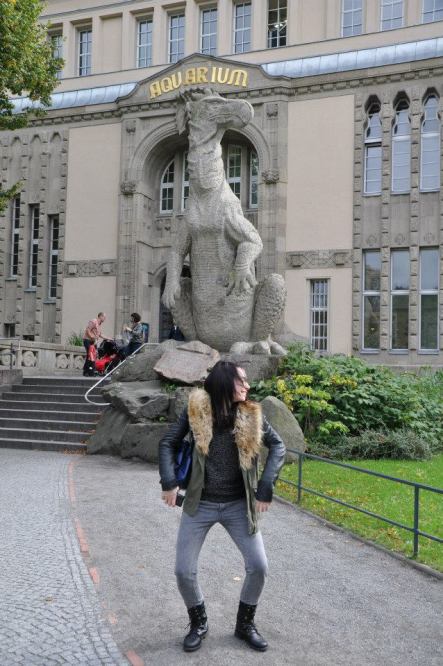
Entrance to the aquarium can be bought on either a separate ticket costing 14.50 euros for an adult and 7.50 euros for a child. However, if you are planning on attending both the zoo and aquarium, you can buy a joint ticket costing 20.00 euros for an adult and 10.00 euros for a child. I personally think the joint ticket is a great option, because you are bound to go into the aquarium whilst in the zoo.
The aquariums holds over 9,000 animals over 3 stories, including; jellyfish, tropical and native fish, crocodiles, insects, amphibians and reptiles. They also have a shark tank holding the blacktip reef shark.
Before visiting Berlin, we heard all about German sausages – especially when you’re at Christmas markets. We especially heard about the ‘Currywurst’ which is basically a pork sausage that is steamed, fried and cut up into slices and smothered in curry ketchup (red sauces, tomato sauce, TK etc…what ever you say).
It isn’t something I would go back for, it was nice, Rich enjoyed it more than me. They had Currywurst food stalls everywhere.
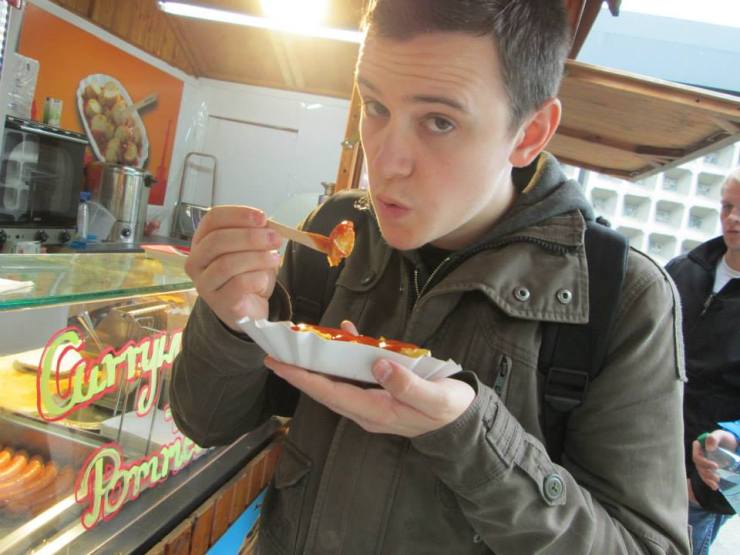
The best thing I have to say about the Currywurst sausage is that they have there very own museum. Yes, you heard me right…a museum!
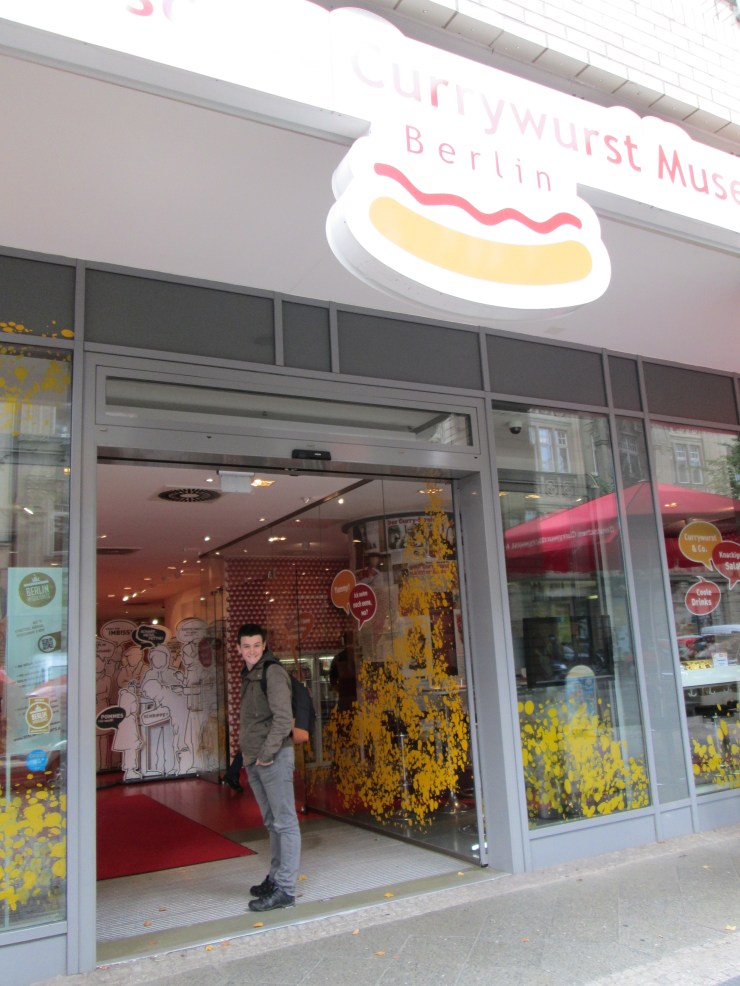
We didn’t actually go into the museum due to prices – 11.00 euros each – but we walked around the museum shop and oh my…the things you can buy are unreal!
This is a memorial to the Jewish victims of the Holocaust. The memorial itself is a massive grid of slabs of concrete – which probably doesn’t sound very interesting, but when you are amongst it all and walking through, it’s quite eerie and overwhelming. The blocks get taller and taller as you walk through, so it easy to get lost.
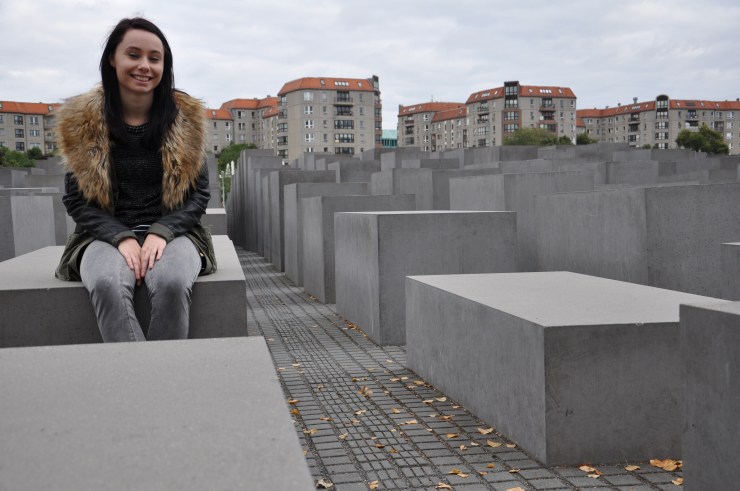
You can find the Holocaust Memorial one block south of the Brandenburg Gates in the Friedrichstadt area.
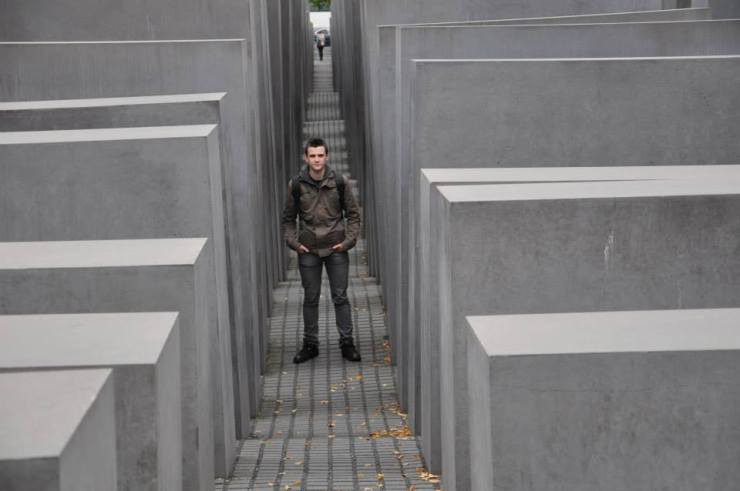
One thing that I found odd about this memorial was the amount of people who hung out there. We saw a handful of ‘youngsters’ just hanging out at the memorial, running up and down the concrete slabs – I don’t know if that’s seen as disrespectful in Berlin, but it certainly did seem that way for me.
Museum Island is exactly what it sounds like. It consists of five museums on an island surrounded by the River Spree.
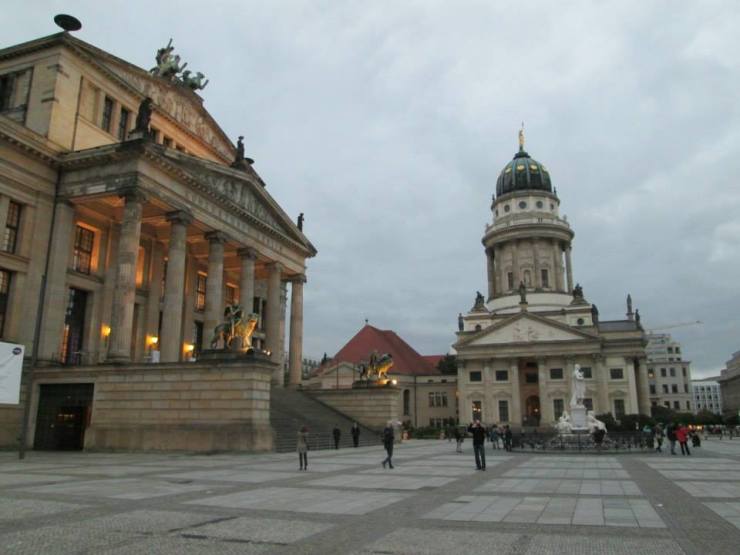
The museums include; Peramon Museum, Bode Museum, Neues Museum, Alte Nationalgalerie and Altes Museum.
These museums are all beautifully built – so even if you don’t want to go in all of them, or none at all, they are picturesque to look at and, not too forget, massive!
The Brandenburg Gate is one of the most important monuments in Berlin. It’s a symbol of the divided city, geographically and politically. The Gates are located at Pariser Platz 1 and are local to both S and U-Bahn train lines Brandenburger Tor.
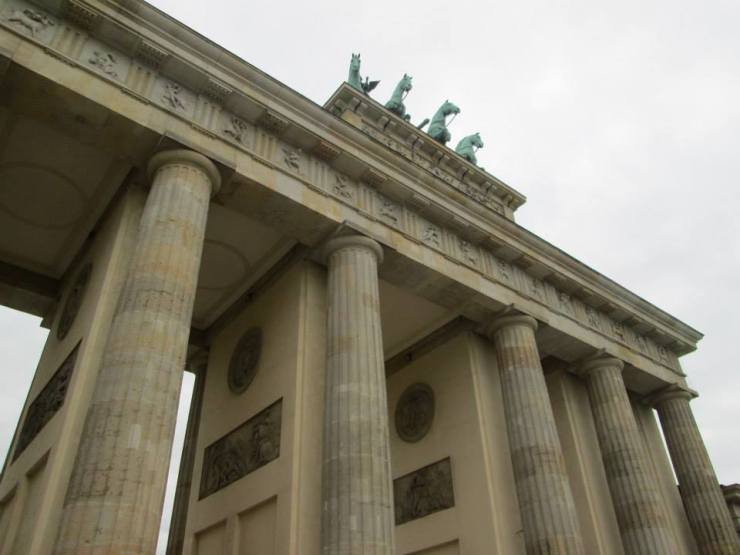
The area surrounding the gates is busy and vast. It’s a pretty area, almost reminding me of the Champs Elysee in Paris… sort of.
The Reichstag is the most famous monument in Berlin as it is the seat of German Parliament. Absolutely stunning.
If you want to visit the dome and the roof terrace – check in advance as they are only open for registered visitors (and you have to register at least two days in advance.) You can register here.
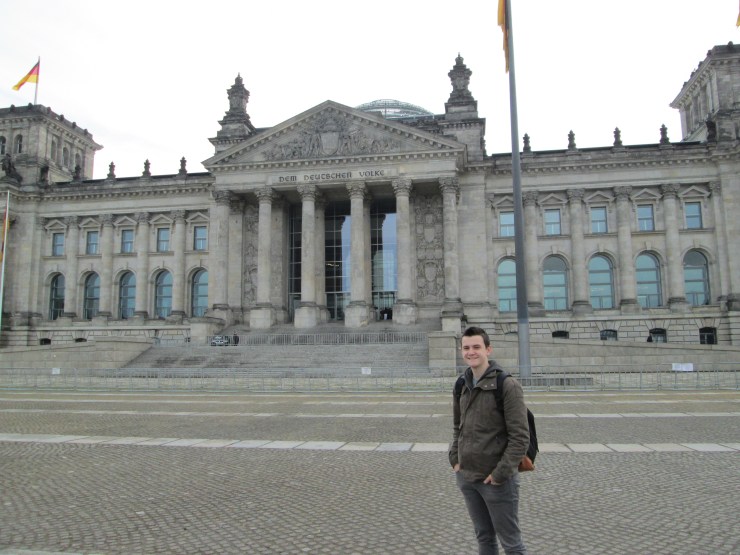
Admission is free, as long as you have registered. Opening hours are daily from 8 am right through to midnight, with last admission being 10 pm.
Berlin Wall and East Side Gallery
As most are probably aware, the Berlin Wall was a barrier that divided Berlin from 1961 up until 1989. It’s fascinating, especially when you realise that you are just stood next to a huge part of history.
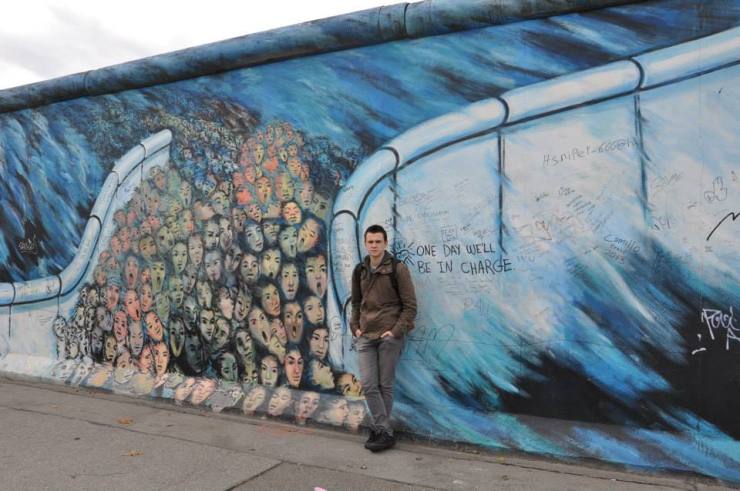
We were walking and taking pictures at East Side Gallery for ages. It’s so long. Known as the memorial for freedom, it’s a 1316 metres long section of the Berlin Wall. This wonderful art is located on Mühlenstraße in Friedrichshain-Kreuzberg.
The gallery consists of 105 painting from artists worldwide. Painted in 1990 on the ‘East Side’ of the Berlin Wall. There aren’t half some talented people out there. It’s so bright and colourful, and the paintings range from comic book characters to political messages.
We didn’t plan on visiting Topography of Terror. In fact, we didn’t even know what it was, we just happened to bump into it.
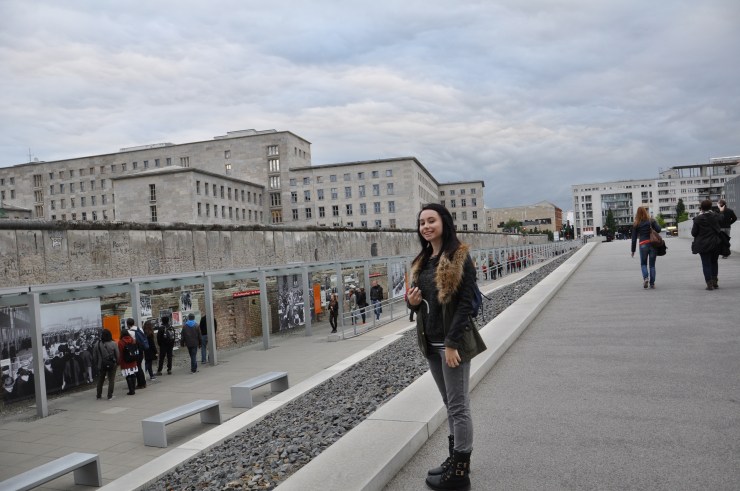
We now know that it’s an outdoor and indoor history museum located on Niederkirchnerstrasses, not far from Potsdamer Platz. This museum documents the terror of the Nazi government and crimes originating from there. It even holds one of the few remaining parts of the Berlin Wall.
I loved this. It was different because the majority of it is outside so it feels more immersive.
You can find the infamous Checkpoint Charlie at Friedrichstraße 43-45, which is near the ‘Berlin Wall Museum – Museum Haus am Checkpoint’.
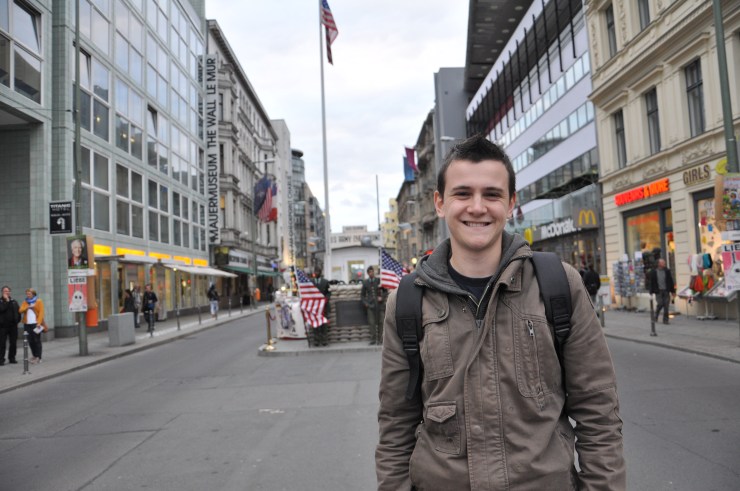
Checkpoint Charlie was were foreign tourists would visit during the crossing between East Germany – West Germany.
When you visit Checkpoint Charlie, members of the armed forces are there for you to have your picture taken with them. It’s in the middle of the road with a huge flag.
This museum took absolutely ages to find. It’s very small and located down an alley way that had beautiful graffiti along the walls – leading to a huge painting of Anne Frank herself.
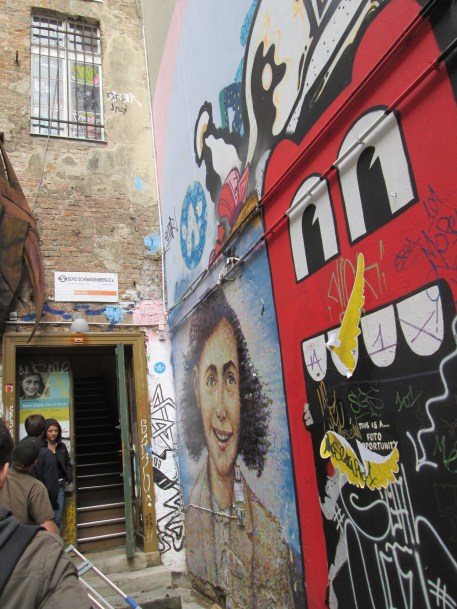
You have to walk up some narrow stairs before you enter the single room filled with photographs of Anne Frank’s life.
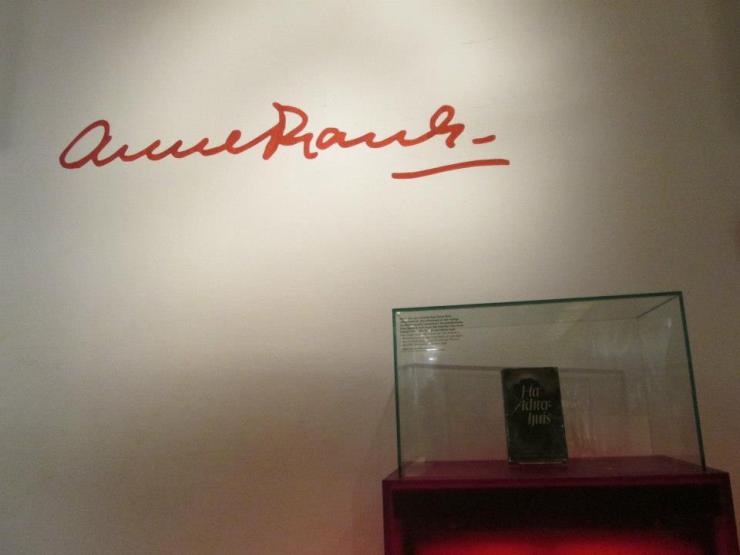
This museum is located on Hackescher Markt. Filled with exhibits, you learn all about her diary and story through listening stations and other interactive activities.
The Olympic Stadium is fantastic and it costs just 7.00 euros for a normal admission from 9 am to 7 pm, and 10 am to 4 pm in the winter months. Alternatively, you can pay 11.00 euros for a tour which runs every day in the summer months at 11 am, 1 pm, 3 pm and 5 pm.
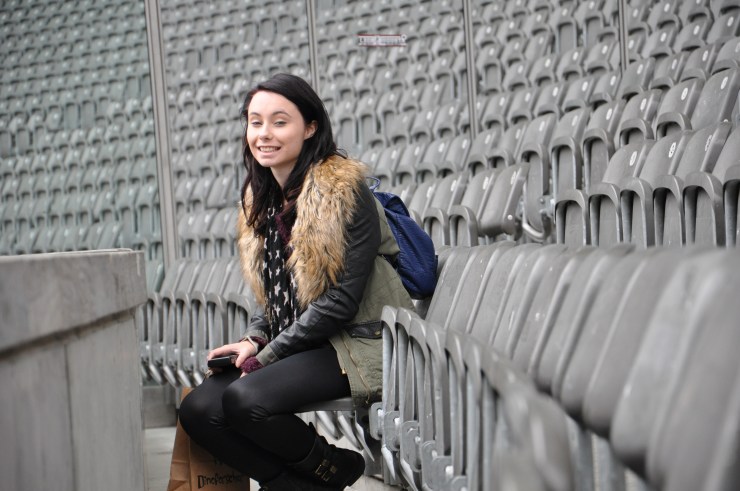
The stadium is at the end of the line on the metro, so easy to find and get to. It’s not too far from the Brandenburg Gate and located near to to Berlin’s main railway Hauptbahnhof. You can also reach the stadium by the U-Bahn metro, on lines U2 of U12. It’s roughly 15 minutes from Berlin’s Zoo – to give you an idea of how far it is from the centre.
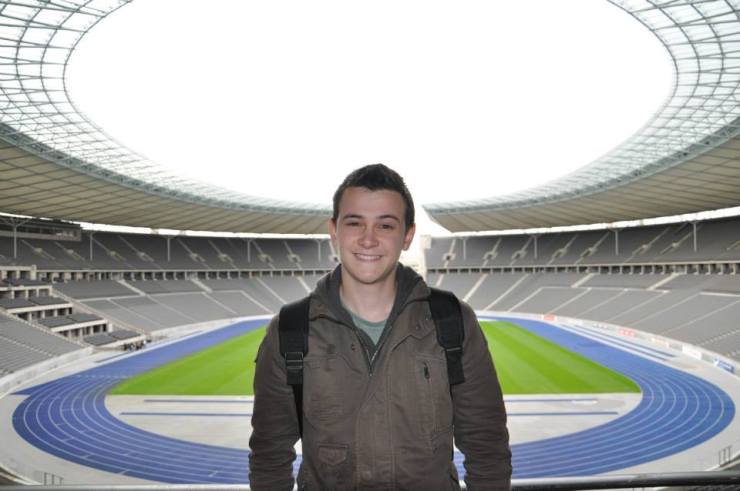
As this stadium was once used for Olympic events, there is so much to look at. You will see so much more than just a football stadium.With your ticket you get a little map of the site where you can find pointers for everything that is on offer.
Alexanderplatz is one large public square in Berlin, located in the Mitte district, where you can also find a transport hub – and also home of the Fernsehturm TV-Tower.
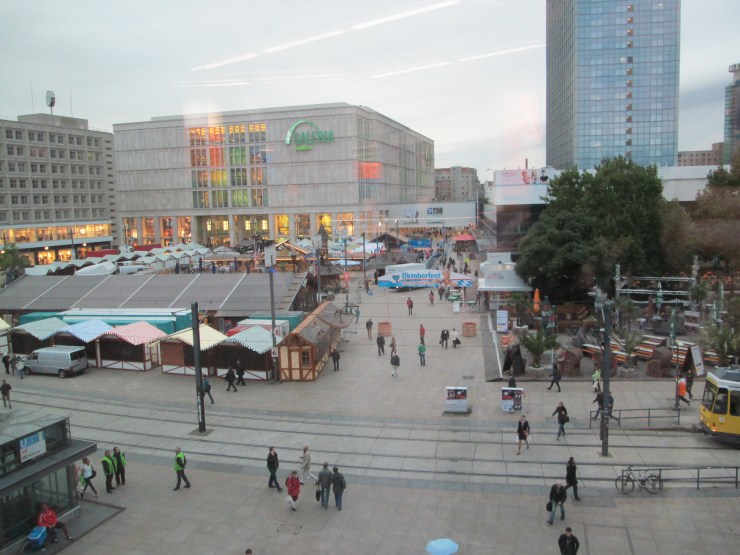
Alexanderplatz is used as a main meeting point for tours and all types of visitors.
The Fernsehturm
You can see The Fersnehturm from almost anywhere in Berlin and it is another attraction of Alexanderplatz.
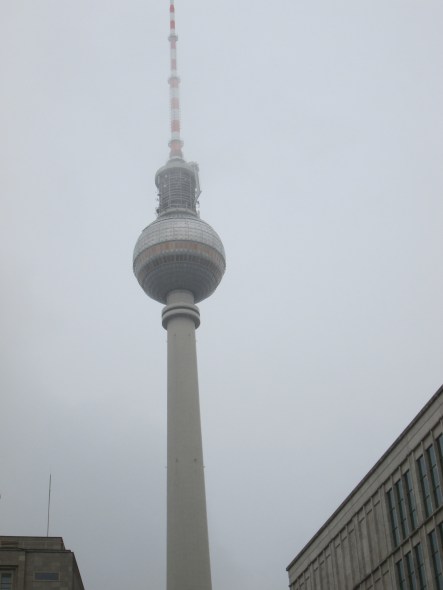
The tower is 368 meters tall and you can visit the tower at 204 meters high. Visiting the tower will cost you 12.50 euros and an extra cost if you want to have your dinner up there.
Charlottenburg Palace is beautiful.
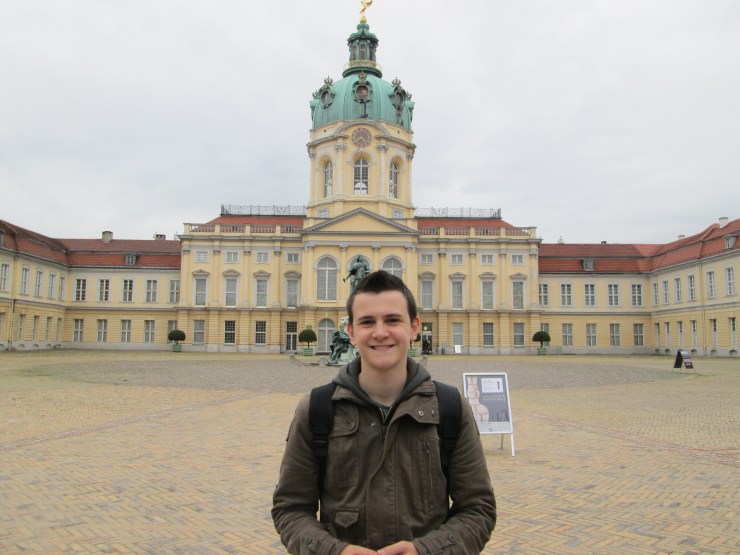
It’s one of the largest royal palaces standing in Berlin, home of Sophie Charlotte, who was the first Queen of Prussia.
The Beliner Dom (Berlin Cathedral) for me is as charismatic as the Taj Mahal. Probably due to the structure of the building- it stands proud.
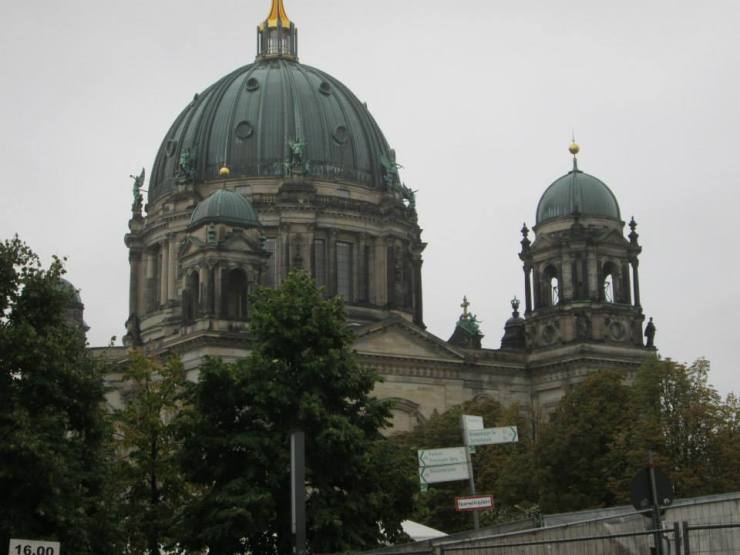
It’s the largest catherdral in the city and a Protestant church of Germany. Within the cathedral is the ‘Dom Shop’ and ‘Domcafe’ if you want a short sit down or browse.
If you plan on visiting the cathedral, be wary of any bags you may have, as they prefer that you don’t have any large bags on you. They provide lockers, but not a massive amount.
Kaiser Wilhelm Memorial Church
The Kaiser Wilhelm Memorial Church is at Breitscheidplatz on the Kurfurstendamm, and is again, a Protestant church.
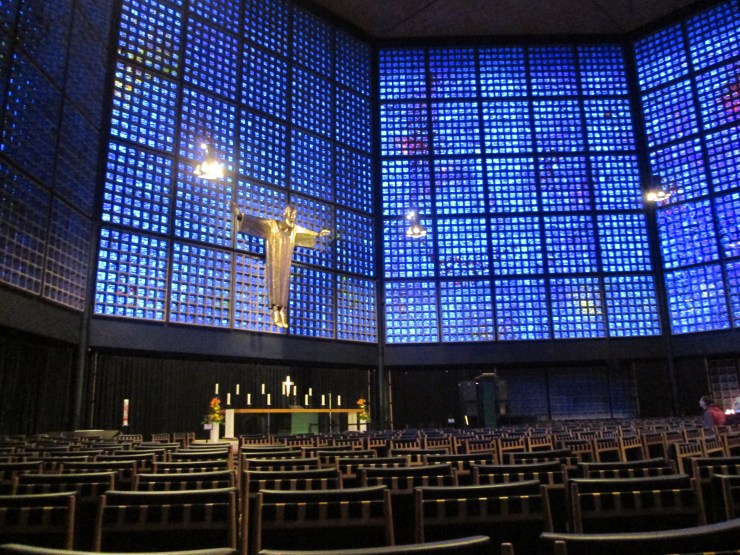
The original church was damaged due to the 1943 bombings raid, so the church today consists of a church with an attached foyer and belfry with an attached chapel. The spire on top of the church was damaged during this time but as been retained, and you will also see that the ground floor has been made into a memorial hall.
The Jewish Museum has a fascinating design, as it consists of three buildings in a twisted zig-zag shape and is one of the largest Jewish Museums in Europe.
The museum is full of German-Jewish history exhibitions. There are a lot of interactive activities to have a look at such as quizzes and games on computers.
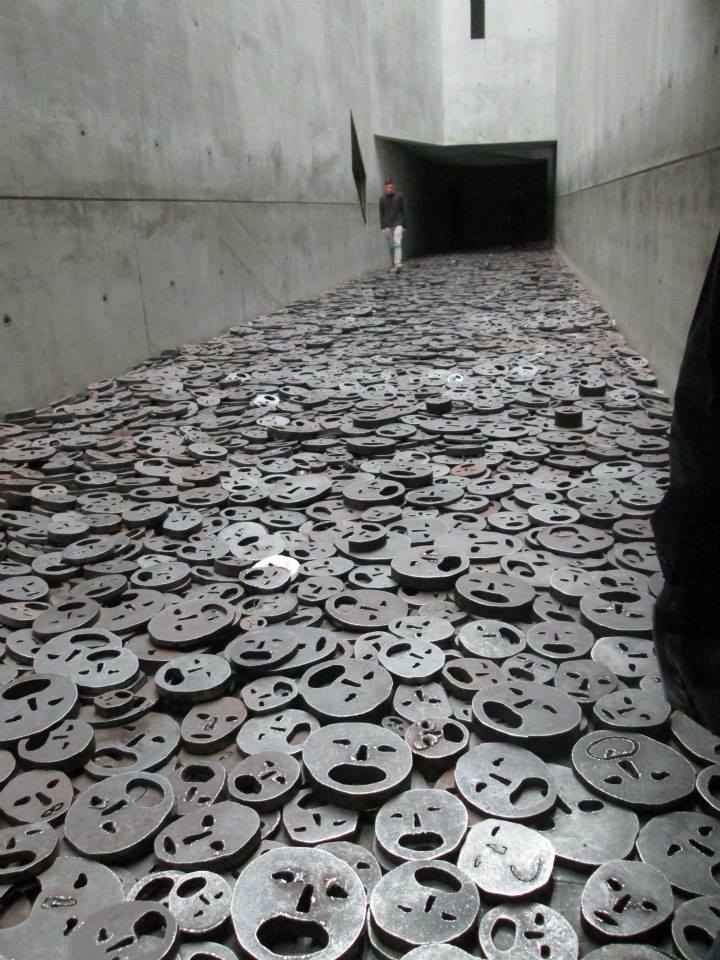
The most incredible thing there was the ‘Memory Void’. It was one of the spookiest things I’ve ever experienced. Distributed on the ground are 10,000 faces made of of steel, representing the painful memories of the victims of war. When you walk into the void, you walk on the faces and listen to the clunking sounds that follow.
It is one of those moments that makes you stop and think about the past – writing this is actually giving me goosebumps. Truly moving.
I’ve visited a few technology museums now, and I would say this one is one of my favourites. The museum bases itself around aerospace, navigation, rail transport, road traffic and photo technology – so quite different to other technology-based museums.
You can find the Technology museum at Trebbiner Straße 9, D-10963 Berlin-Kreuzberg close by to Potsdamer Platz, and it is open every day apart, from Mondays. Weekdays from 9 am until 5.30 pm and weekends 10 am through to 6 pm. If you are travelling over a public holiday, double check before visiting.
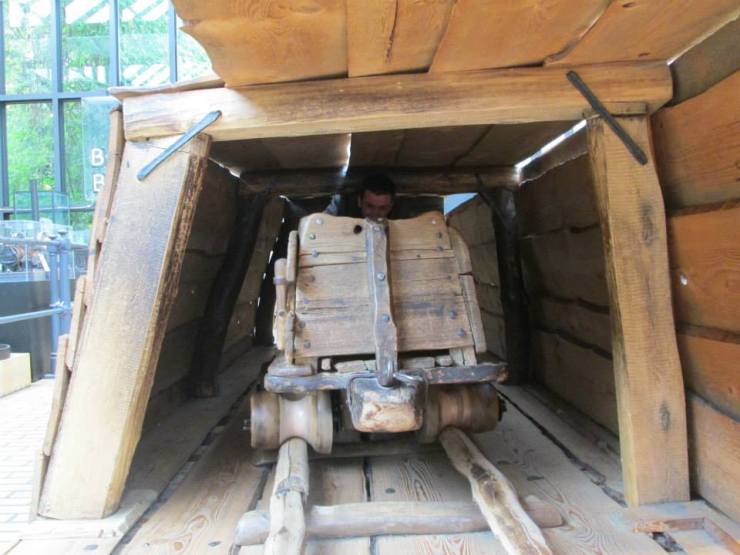
We spent quite some time here, it was so much fun as there was a lot of interactive things that you could get involved in. And as per, we spend a long time there due to taking far too many silly photos. Standard for us really.
They also have a large museum park that contains two windmills, a water mill, a smithy and brewery. The whole museum shows you a spectrum of old and new technology and tells you about the historical and cultural connections that go along with them.
Before we went to Berlin, I was really excited to see the Sony Centre, I just didn’t know what to expect. It’s vast, yet within a small area. It’s called the ‘Sony’ centre not because it’s ‘Sony’ related, but because its sponsored by ‘Sony’ and houses Sony’s German headquarters.
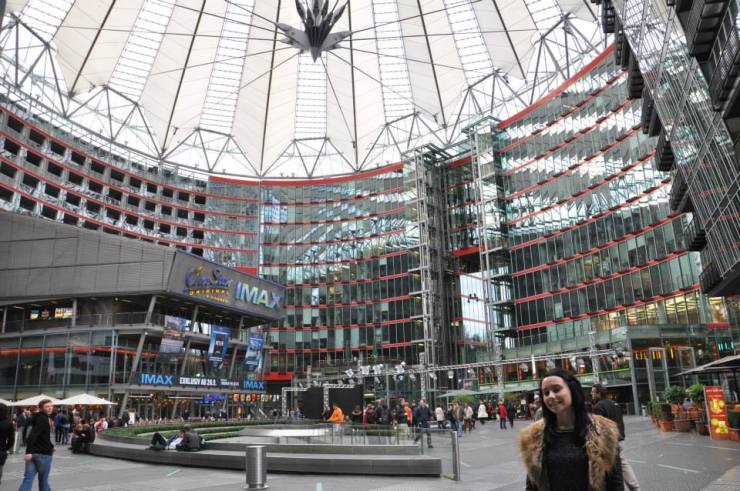
Located at Potsdamer Platz, amongst attractions and Potsdamer Platz station, The Sony Centre has an array of things to do such as shops, restaurants, conference centres, hotels, cinemas, Legoland discovery Centre and a Sony store.
It’s a peculiar place to be, it is something I can’t quite put my finger on. We didn’t really know what to do there, probably because we aren’t ‘tech-heads’ so it was a bit overwhelming, but it was cool.
The Sony Centre is used for events, sometimes like the World Cup. They have a large screen, and televise the football games – viewers can sit and watch.
During major sports events like the 2006 FIFA World Cup, the centre also had a large television screen on which the games were broadcast to viewers sitting in the large open area in the middle.
Also known as the Museums for Film and Television, this museum is located within The Sony Centre.
This museum takes you on a journey through five decades of German film and television history, which leads you from silent to contemporary films. You will relive moments of broadcasting history, and be able to watch and explore the developments of German television.
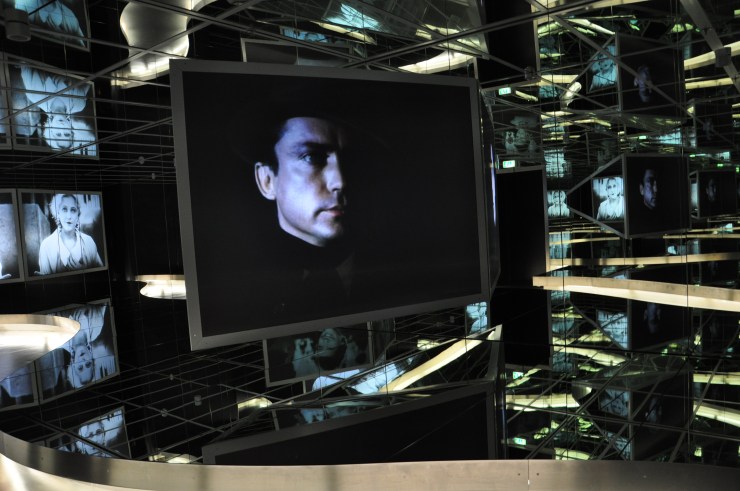
It was unusual for me to visit a museum like this as I have no idea about German television or films…obviously. When you step foot into the exhibition you are greeted by a room full of mirrors and screens.
If you are a fanatic film fan like Rich, you will enjoy this, you will learn lots of new things.
If you read Musikinstrumenten slowly, you will realise that it says ‘music instruments’. It was by chance that we thought we would pop into this museum. It didn’t have any German culture to it, but it was on our Berlin City Pass, so we thought we would give it a go. We did however, spend a fair bit of time in here with us both being massive music fans.
Located not too far from The Sony Centre, you can find the Musikinstrumenten Museum at Tiergartenstr. 1 at zum stadtplan. Open Tuesday, Wednesday and Friday from 9 am up until 5 pm; Thursday 9 am until 10 pm; and then Saturday and Sunday from 10 am until 5 pm. It will cost you a maximum of 6.00 euros each for admission into the museum, unless you have the Berlin City pass.
The museum itself holds more than 800 different types of instruments, which make up a total of 3,500 – bet you didn’t even know there was that many instruments! All instruments coming from the 16th century up until this present day. Guided tours are available for anyone who seeks more information on the fascinating instruments.
Inside the museum there is a cafe, where you can treat yourself to some warm meals and drinks.
Included in our city pass, was a cruise down the River Spree – and we took this opportunity during the evening as a chance to rest our poor little legs from too much walking.
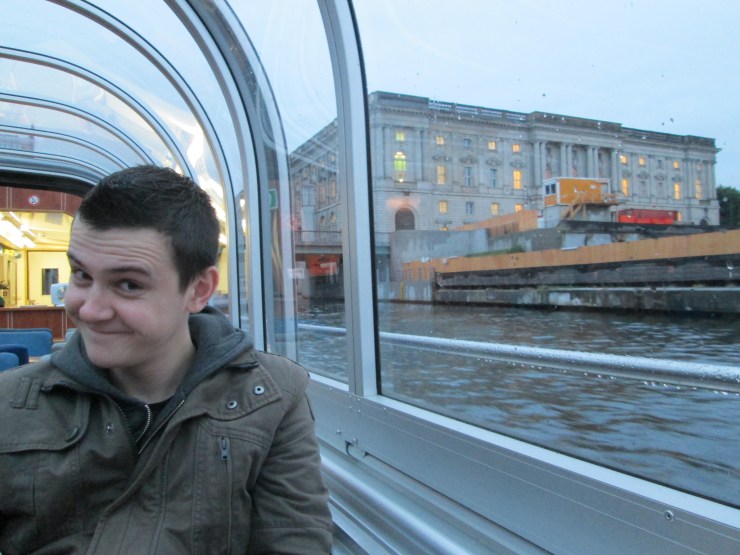
The cruise is roughly an hour long, which gives you plenty of time to relax and have a cup of tea (guess who done that…) and a bite to eat. It’s between 13.00 and 15.00 euros for adults and 6.50 to 7.50 euros for children.
Along the cruise, you will see sites such as the Reichstag, Fernsehturm, Berlin Cathedral, Museum Island, Bundeskanzleramt and so much more. It was beautiful.
Pubs
If Liverpool are playing during our breaks away, we always try and find somewhere to watch it as long as it isn’t interfering with our holiday plans. We try to avoid typical Irish bars as I like to soak up different cultures in pubs.
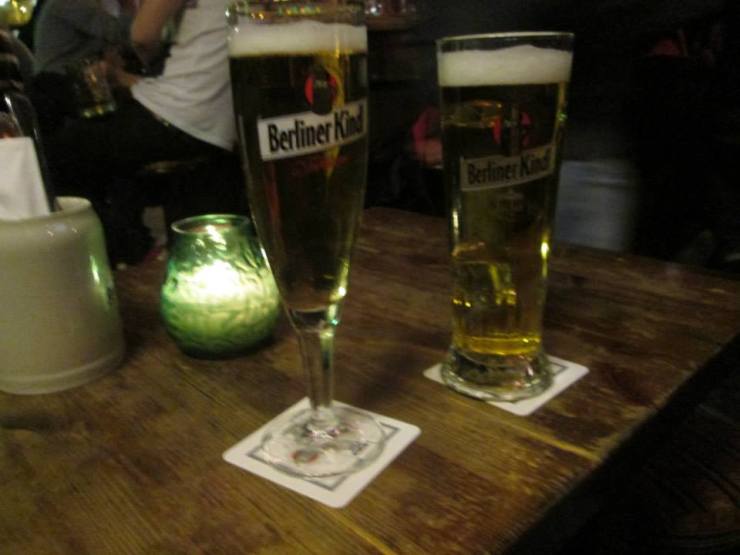
We found a few nice bars not to far from Museum Island, however, the bar we found with football on was in fact an Irish bar. It was actually great. It was called Kilkenny Irish Pub.
We both drank local ales, watched the football and ate warm comfort food as it was a little chilly outside.
On one of our days in Berlin we decided to venture out of the city and explore another part of Germany.
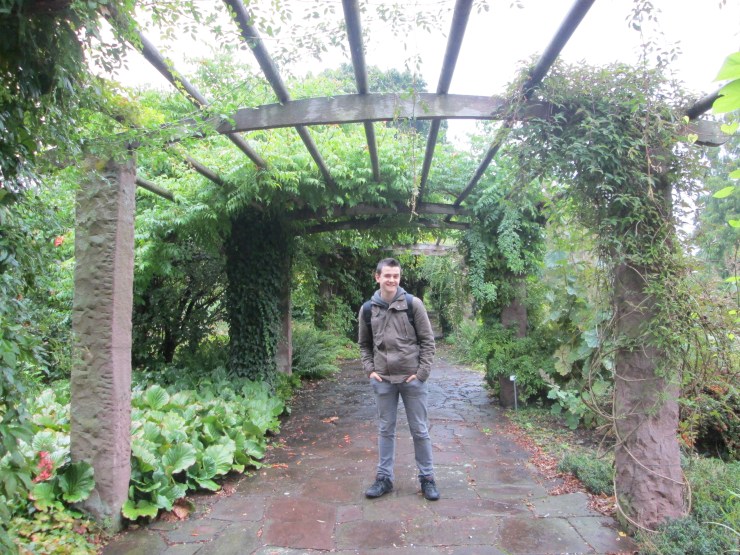
The next place along from Berlin that wasn’t too far, was Potsdam. Potsdam is actually the capital and largest city of the German Federal State of Brandenburg and borders Berlin.
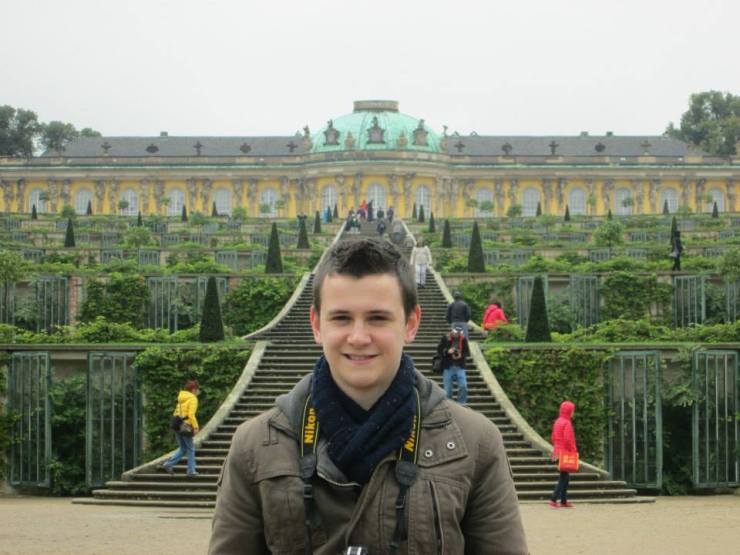
Potsdam has a series of lakes, cultural landmarks such as parks and palaces. One being the Park and palaces of Sanssouci which is the largest World Heritage site in Germany – and we visited it, without knowing all of this.
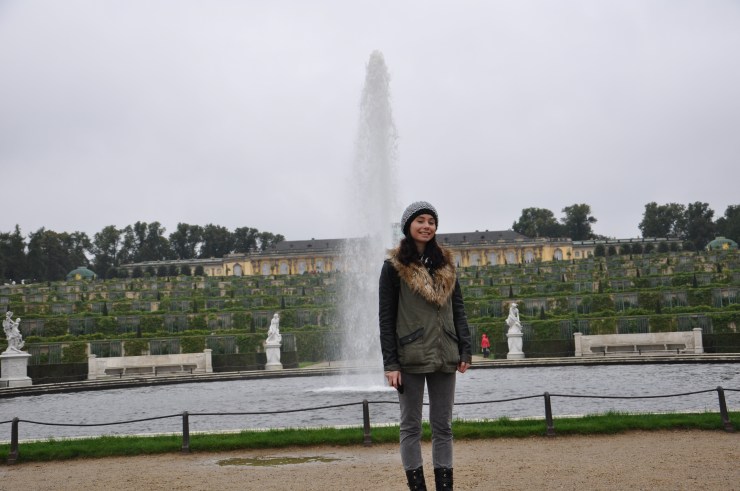
Sanssouci is beautiful, it’s full of gardens and palaces. We spent hours there, just walking around and taking pictures. The gardens were almost like an Alice In Wonderland maze.
Kathe Wohlfahrt AKA Christmas Shop
Something that I collect when I go on holiday is baubles. I get a bauble that states the place that I’ve visited or resembles it. So, I am always on the look out for Christmas shops.
This shop was special. We just happened to find it on our last day and I’m so happy we did. This shop was over two magical floors and located on the Kurfürstendamm opposite the famous Café Kranzler.
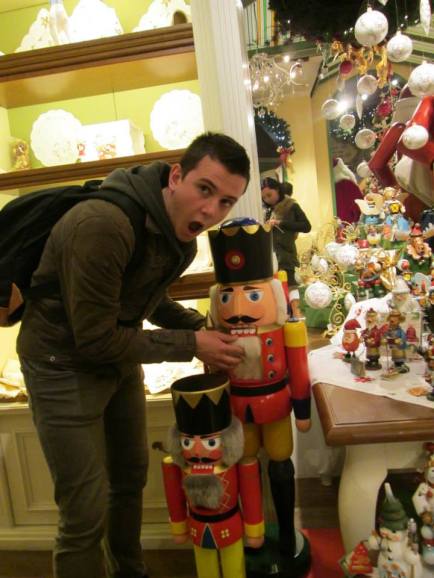
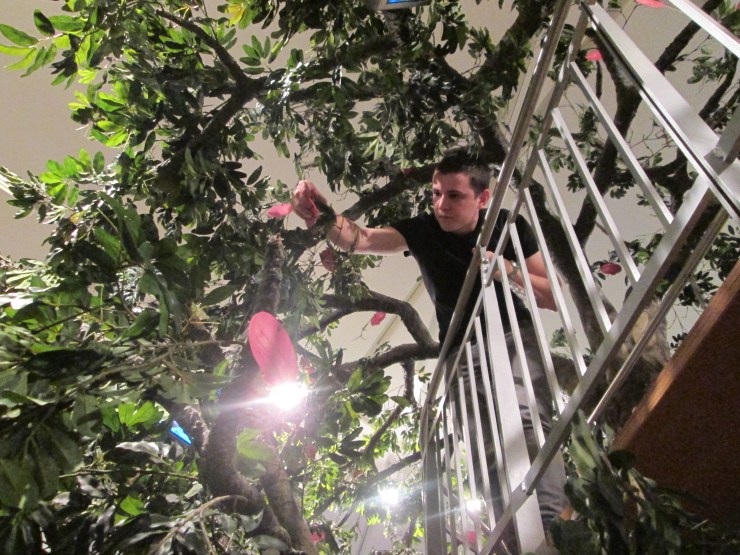
You will find everything christmassy here. the main feature of the shop is a walkable rotunda right in the centre that allows you to walk up and around a giant decorated Christmas tree. It’s now open all year round, you should definitely check it out.
This was only a snippet of our holiday, but one of my favourite things about Berlin. Throughout the city, they have vintage black and white photo-booths dotted about, that are still in use.
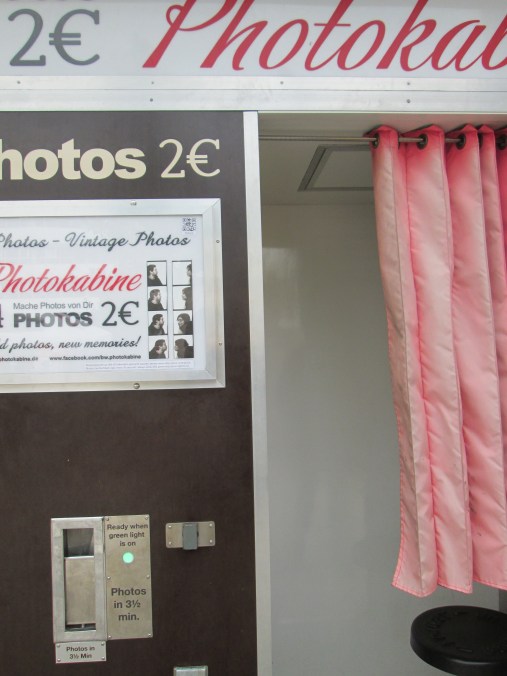
It only costs a few euros and was a great memento to take home with us.
 Your Own Set of Wings